 Claude Code
 GoHighLevel
I'm Eric Forte, an AI automation engineer for small businesses, working from the Philippines. I build and fix the GoHighLevel and n8n automations they run on: lead follow-up, pipelines, booking flows and the connections between their tools. You can see 18 of those builds as case studies. This post covers the part those case studies don't: how I use AI on a client's account, where I keep it out, and how I write everything down.
Key Takeaways
- Eric Forte builds and fixes GoHighLevel and n8n automations for small businesses, with 18 published case studies.
- I work in your tools and your Claude account. My own Claude account is the fallback when yours isn't set up or isn't enough.
- Your data, and your customers' data, stays in your accounts. My own notes only keep cleaned-up project details.
- AI goes where a step needs judgment. Everything else stays a plain rule.
- I document every build, so you're never left with a setup nobody can explain.
What is Eric Forte's background?
Before GoHighLevel and n8n, I wrote Java for banking and lending software, where a failed step can't just be ignored and every change gets checked first. That's where I picked up the habits I still build with: log what happens, retry what fails, plan for the error path, and test before anything goes live. The full timeline is on my About page.
How do I use AI on a client's account?
I work inside your tools: your GoHighLevel, your n8n, your Zapier, and your Claude account if you have one. If you don't, or the plan you have isn't enough for the job, I use my own Claude Max plan as the fallback. Either way, the build lives in your accounts from day one.
Your data stays protected, and so does your customers' data. I keep notes on every project, but only cleaned-up ones: what I built and why, never your contacts, messages or anything personal about the people you serve.
When you give me access, I connect Claude to tools like n8n and GoHighLevel through MCP, the open standard for connecting AI apps to other tools. That means Claude can look at a workflow, check what a run did, or help me test a path, instead of me copying screenshots back and forth.
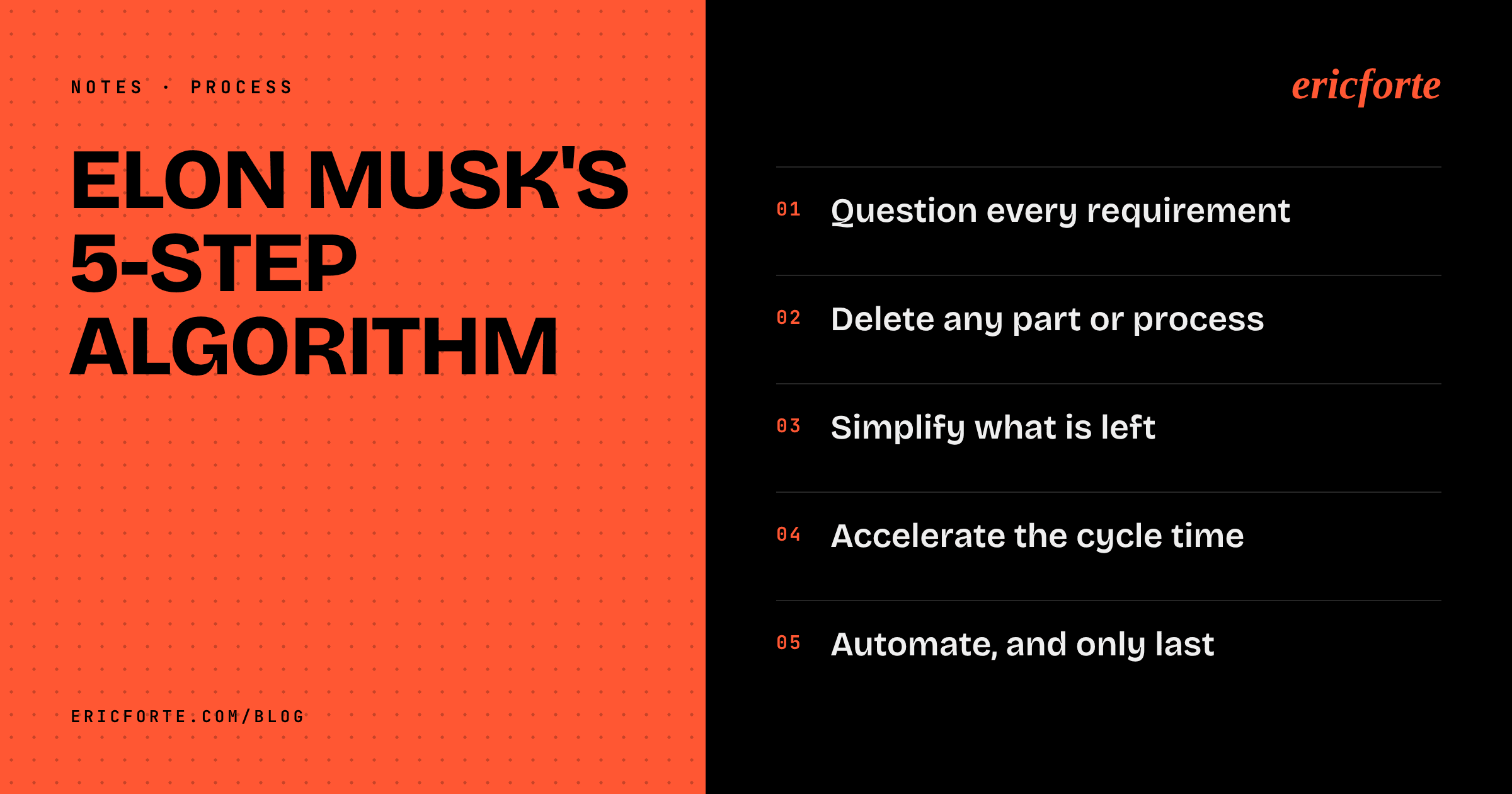
I also write my own Claude Code skills, which are basically SOPs Claude follows. Two are public: five-step-algorithm makes Claude question and delete steps before automating anything, and self-answer makes it look things up before asking you something it could find on its own.
Where does AI stay out?
Most of an automation doesn't need AI. If a lead has a tag, a booking has a time, or a caller picked a disposition, the decision is already made, and a plain rule handles it every time. My bad-fit cleanup build runs on one tag and plain GoHighLevel workflows. I bring AI in when a step needs judgment, like reading a free-text message or scoring a lead, and a rule can't make that call cleanly.
How do I document what I build?
I write things down as I go, for clients and for myself. Every project gets written rules for how the work is done, a plan file that tracks what's decided, what I found and what's left, and a card on a task board. I also keep a searchable set of cleaned-up notes I can come back to months later.
The same habit is what you get at handoff: a guide to how each automation runs and what to check when something looks off. I've taken over setups with no docs at all, like the one in my GoHighLevel workflow audit, and I don't want to leave you in that spot.
What does this mean if you hire me?
Everything I build stays in your accounts, and at handoff you get a written guide to how it runs. If you want to see the work first, the case studies show what changed for each client.
Frequently asked questions
Who is Eric Forte?
Eric Forte is a GoHighLevel and n8n AI Automation Engineer based in the Philippines. He builds and fixes automations for small businesses, like lead follow-up, pipelines and booking flows, and has 18 published case studies on ericforte.com.
Does Eric use AI on client accounts, and is my data safe?
Yes, where a step needs judgment. The work runs in the client's own accounts, and the client's data and their customers' data stay there. Eric's own project notes only keep cleaned-up details, never contacts or messages.
Which Claude account does Eric use for client work?
The client's first. If the client doesn't have a Claude account, or theirs isn't enough for the job, Eric uses his own Claude Max plan as the fallback.
What tools does Eric work with?
Mainly GoHighLevel and n8n, plus Make and Zapier, Claude and OpenAI, and JavaScript or TypeScript when a no-code tool can't do the job. The full stack is on the About page.
Where is Eric based, and does he work with US clients?
Eric is based in the Philippines and works with clients in the US and elsewhere. Updates go in the client's Slack, with a weekly call.
Want to talk about your setup?
If you're curious how this would look on your GoHighLevel or n8n, you can book a call and walk me through what you're running. Happy to take a look with you.
Sources
- Model Context Protocol, Introduction, retrieved 2026-11-17: modelcontextprotocol.io/introduction.
- Anthropic, Introducing the Model Context Protocol, retrieved 2026-11-17: anthropic.com/news/model-context-protocol.
- Eric Forte, public Claude skills on GitHub: claude-skill-five-step-algorithm and claude-skill-self-answer.

 Slack